
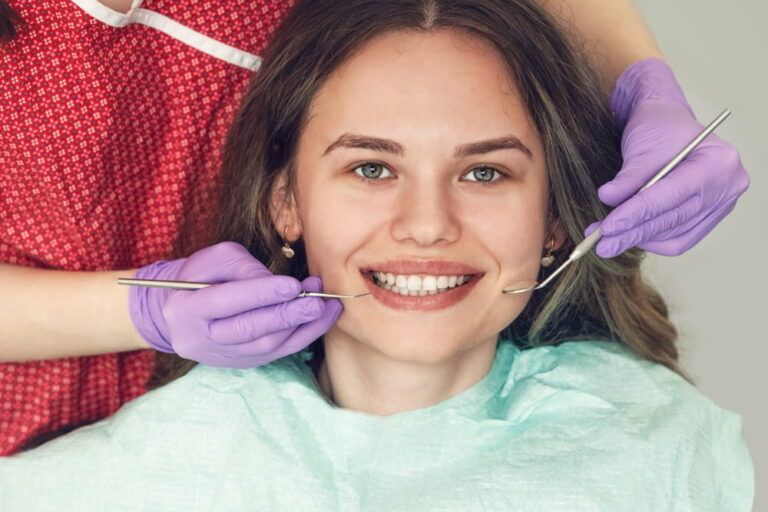
Why Professional Dental Cleanings Matter
Daily brushing and flossing are essential for maintaining a healthy smile, but they cannot always remove every trace of plaque and hardened tartar. Professional dental cleanings provide a deeper level of cleaning by removing deposits that can accumulate in areas that are difficult to reach at home. For people in Camillus, NY, understanding the value of routine cleanings can help make preventive dental care a consistent part of maintaining oral health. At Romans & Soltani Dentistry, Anna Romans & Sheila Soltani emphasize the importance of prevention and ongoing attention to the health of the teeth and gums.
Plaque is a sticky film of bacteria that continually forms on teeth. If it is not adequately removed, it can harden into tartar, also called calculus. Unlike plaque, tartar cannot be effectively removed with a regular toothbrush and requires professional instruments. Regular cleanings help control these deposits and can reduce the conditions that contribute to cavities, gingivitis, and periodontal disease. (nidcr.nih.gov)
Helping Prevent Gum Disease
One of the major benefits of professional dental cleanings is their role in supporting healthy gums. Plaque and tartar that accumulate around the gumline can trigger inflammation, causing symptoms such as redness, swelling, tenderness, or bleeding. When gum inflammation is left untreated, it can progress from gingivitis to periodontitis, a more advanced form of gum disease that can damage the tissues and bone supporting the teeth. (cdc.gov)
Professional cleanings help remove plaque and tartar from areas that routine brushing and flossing may miss. Maintaining regular preventive appointments, along with effective home care, can help reduce bacterial buildup and support healthier gums. If gum disease has already progressed beyond mild gingivitis, a standard cleaning may not be sufficient, and a dental professional may recommend a more specialized periodontal treatment based on individual needs.
Reducing the Risk of Tooth Decay
Professional cleanings can also help protect teeth from decay. Plaque bacteria feed on sugars and starches left in the mouth and produce acids that can weaken tooth enamel. When plaque remains on a tooth for extended periods, the repeated acid exposure can contribute to cavities. Removing plaque and tartar during professional cleanings helps create a cleaner oral environment and supports daily preventive efforts. (nidcr.nih.gov)
Cleanings also provide an opportunity to identify areas where plaque tends to accumulate. A dental professional may notice concerns such as difficulty cleaning between certain teeth, early signs of gum inflammation, or areas where oral hygiene could be improved. This personalized feedback can make daily brushing and flossing more effective and help address potential problems before they become more extensive.
Freshening the Smile and Breath
A professional cleaning can leave teeth feeling smoother and cleaner. Removing accumulated plaque and tartar can also help reduce some of the bacteria and food debris associated with unpleasant breath. Although persistent bad breath can have many possible causes, including gum disease, dry mouth, certain foods, and medical conditions, maintaining good oral hygiene is an important part of addressing oral odor. (ada.org)
Professional cleanings can also remove some surface stains caused by substances such as coffee, tea, and certain foods. While a cleaning is not the same as a professional whitening treatment, eliminating external buildup can make teeth appear cleaner and brighter. The result is often a smoother, fresher feeling that reinforces the value of maintaining consistent oral hygiene between appointments.
Supporting Early Detection
Another important benefit of routine dental visits is that they provide opportunities for early detection. During a preventive appointment, a dental professional can examine the teeth and gums for signs of cavities, gum disease, enamel wear, recession, and other oral health concerns. Detecting changes early can make treatment simpler and may help prevent problems from becoming more advanced. (nidcr.nih.gov)
Regular visits also allow oral health concerns to be monitored over time. Changes that may seem minor, such as occasional gum bleeding or increasing tooth sensitivity, can provide useful information about a person’s dental health. Professional care works alongside daily home care rather than replacing it, creating a more complete approach to maintaining healthy teeth and gums.
Making Professional Cleanings Part of Preventive Care
The ideal frequency of dental cleanings can vary from person to person. Some individuals may benefit from routine preventive appointments, while people with a history of gum disease, significant tartar buildup, or other risk factors may need more frequent care. A dental professional can recommend an appropriate schedule based on oral health, risk factors, and previous dental history.
Between appointments, brushing twice a day with fluoride toothpaste and cleaning between the teeth daily remain important. Limiting frequent sugary foods and drinks, drinking water, and avoiding tobacco products can also support oral health. For individuals and families in Camillus, NY, incorporating professional cleanings into a consistent preventive routine can help protect the smile over the long term. Romans & Soltani Dentistry, with Anna Romans & Sheila Soltani, recognizes that maintaining healthy teeth and gums begins with prevention and continues through everyday care.
Resources
Centers for Disease Control and Prevention. (2024). About Periodontal (Gum) Disease. Centers for Disease Control and Prevention.
National Institute of Dental and Craniofacial Research. (2024). Gum Disease. National Institutes of Health.
American Dental Association. (2024). Halitosis (Bad Breath). American Dental Association.