
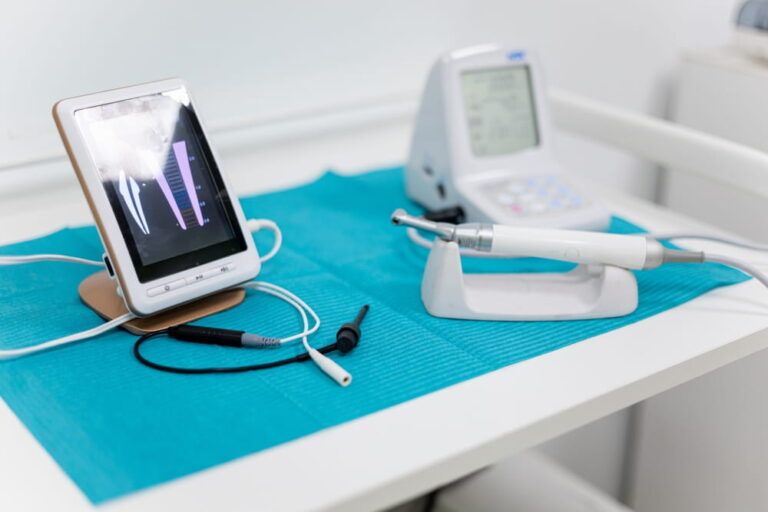
Dental care has experienced remarkable advancements in recent years, transforming the way specialists diagnose and treat patients. Modern technologies aim to improve precision, efficiency, and patient comfort, making dental visits more effective and less intimidating. Innovations in imaging, treatment planning, and restorative techniques allow dental professionals to provide personalized care tailored to each patient’s unique needs. For instance, advancements like Digital Dentistry / One Day Crowns allow for faster, more accurate creation of crowns, reducing multiple visits and streamlining restorative procedures.
These technological strides are not limited to restorative dentistry. Preventative care and cosmetic enhancements have also benefited from innovation. Tools for Teeth Whitening or Dental Bonding now incorporate materials and techniques that enhance durability and aesthetics while reducing treatment time. For patients, this means fewer visits, less discomfort, and more predictable outcomes. Understanding how these innovations work can help you make informed decisions about the types of treatments you pursue.
Another critical evolution is the integration of digital workflows into dental practices. From digital impressions to 3D imaging, these tools improve diagnostic accuracy and allow specialists to plan treatments with unmatched precision. Even procedures like Dental Implants benefit from these innovations, ensuring optimal placement and long-term success. The adoption of technology in dental care is reshaping patient expectations, emphasizing speed, accuracy, and overall comfort.
Cutting-Edge Restorative Tools
Restorative dentistry has seen some of the most significant technological advancements. For example, Crowns and Bridges now often utilize CAD/CAM technology, allowing dentists to design restorations digitally before fabrication. This results in more precise fits, improved aesthetics, and faster treatment times. Similarly, innovations in Root Canals use advanced instruments and imaging techniques to clean and seal canals more efficiently, reducing patient discomfort and improving outcomes.
The materials used in modern dentistry have also evolved. Dental composites, ceramics, and bioactive materials provide durability and a natural appearance, which is particularly valuable in cosmetic procedures. Dental Bonding and Cosmetic Dentistry now benefit from these enhanced materials, offering results that are not only functional but also aesthetically pleasing. Patients seeking restorative care can expect longer-lasting and more natural-looking results thanks to these innovations.
For patients requiring more extensive solutions, Dentures and Dental Implants are also benefiting from digital planning tools. Precision-guided surgery and improved prosthetic design mean fewer adjustments and a smoother recovery process. These innovations reflect a shift toward patient-centered restorative care that emphasizes efficiency without sacrificing quality.
Orthodontics and Preventative Technology
Orthodontics has also experienced a technological revolution, particularly with the rise of clear aligners. Invisalign exemplifies how digital scanning and 3D modeling can produce customized aligners that gradually adjust teeth with minimal discomfort. These tools not only improve aesthetics but also reduce the time and complexity of traditional braces. Similarly, advancements in preventative care, such as custom Sports Mouth Guard fabrication, allow for better protection and comfort during physical activity.
Digital monitoring tools are another exciting innovation. From intraoral cameras to AI-assisted diagnostic software, these gadgets help specialists detect issues early, such as cavities or alignment concerns, before they develop into major problems. Even routine General Dentistry checkups are enhanced by these technologies, ensuring patients receive accurate assessments and personalized treatment plans. By combining prevention with cutting-edge intervention, modern dentistry empowers patients to maintain healthier, longer-lasting smiles.
Enhancing the Patient Experience
Beyond clinical outcomes, dental innovations focus on improving patient comfort and experience. Tools like Digital Dentistry / One Day Crowns minimize the need for multiple appointments, while modern anesthetics and pain management techniques ensure procedures like Tooth Extractions or Root Canals are as painless as possible. Waiting areas, scheduling systems, and even virtual consultations contribute to a more seamless patient journey.
Another aspect of patient-focused innovation is education. Digital imaging, intraoral cameras, and 3D simulations allow patients to visualize treatment outcomes and understand procedures better. Whether exploring Cosmetic Dentistry options or restorative plans like Crowns and Bridges, these tools enhance communication between patients and specialists. Patients leave consultations with a clearer understanding of the procedure, expected results, and maintenance strategies, leading to higher satisfaction and confidence in care.
Romans & Soltani Dentistry in Camillus, NY, exemplifies how integrating the latest dental gadgets and innovations can elevate oral care. Staying informed about technological advancements ensures patients make empowered decisions while benefiting from faster, more precise, and more comfortable treatments.
Resources
Kumar, S., & Clark, M. (2020). Clinical Dentistry: Innovations in Patient Care. Elsevier.
American Dental Association. (2021). Emerging Technologies in Dentistry. ADA.org.
Hobson, R. (2019). Digital Dentistry: Shaping the Future of Oral Health. Journal of Dental Research.